Obtain Optimal Wellness By Peptide Treatments: Best Options and Rewards
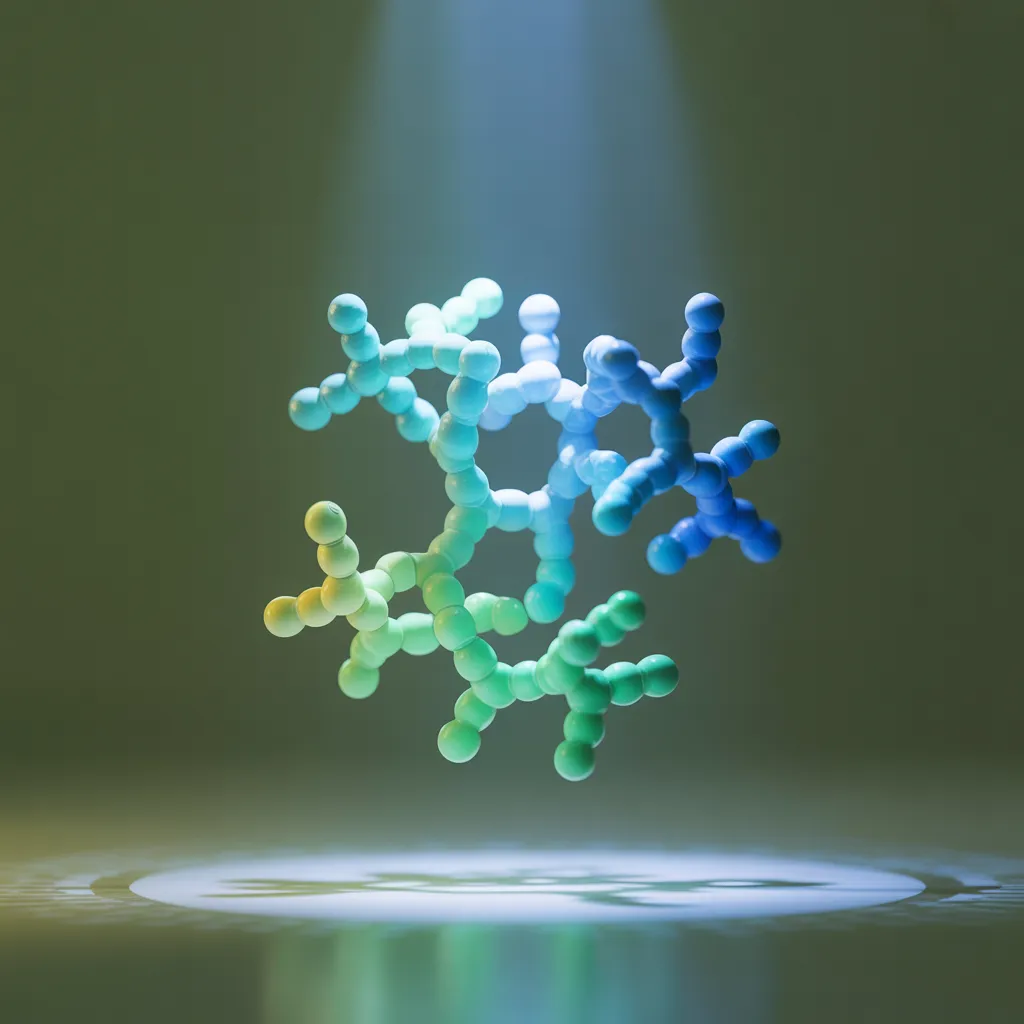
Peptides are gaining increasing attention for their multiple health benefits. These bioactive substances serve critical functions in multiple physiological processes, extending from enhancing immune responses to aiding muscular recuperation. Recognized products such as Thymosin Alpha-1 and Growth Hormone-Releasing Peptides demonstrate their capabilities. Discovering how to successfully incorporate these into a wellness program can be life-changing. Yet, many question which particular peptide types will most benefit their individual health aspirations. The answers may astonish you.
What Exactly Are Peptides and Their Functioning Process?
Peptides, commonly known as the basic components of proteins, are brief sequences of amino acids connected by peptide bonds. These molecules hold significant importance in multiple physiological functions, functioning as cellular messengers that influence cellular functions. Made up of 2 to 50 amino acids, peptides vary in length and structure, which lead to their varied functions in the body.
Upon discharge, peptides engage with specific receptors on deck staining Nashville tn cell surfaces, commencing a series of biochemical reactions. This engagement can modulate activities such as hormone secretion, immune reactions, and metabolic pathways.
Peptides are naturally present in the body but can also be created in laboratories for therapeutic applications. Their small molecular size allows for smoother absorption and faster action compared to larger proteins. Understanding the mechanisms by which peptides operate provides understanding into their potential applications in health and medicine.
Vital Health Benefits of Peptides
While many may not catch on it, the wellness advantages associated to peptides stretch far beyond their role as mere amino acid building blocks. These small sequences of amino acids play a essential role in various bodily functions, markedly influencing overall well-being. Peptides are noted for their ability to strengthen immune function, enhance skin health, and promote better sleep quality. They also exhibit anti-inflammatory properties, which can help minimize chronic conditions.
In addition, short-chain proteins may assist in managing hormones, like insulin, consequently advancing metabolic health. This regulatory action can deliver improved energy levels and weight management. Furthermore, certain peptides are noted for their potential in supporting cognitive function, supporting brain health, and elevating mood.
Discovering Peptide Benefits for Muscle Growth and Recuperation
Muscle development and recuperation are significantly affected by the unique characteristics of peptides. These brief sequences of amino acids play a vital function in improving the body's inherent processes. Particular peptides, including growth hormone-releasing peptides (GHRPs), stimulate the release of growth hormone, which is crucial for muscle enlargement and restoration. By boosting protein synthesis, these peptides aid in constructing lean muscle mass and enhancing overall strength.
Additionally, amino acid chains can accelerate recovery by decreasing inflammation and muscle soreness post-exercise. For instance, collagen peptides support tendon and ligament health, ensuring that the body can withstand the demands of intense training. Moreover, certain peptides have been shown to improve endurance and stamina, allowing athletes to perform at higher levels for extended periods. Overall, incorporating peptides into a fitness regimen can greatly enhance muscle growth and recovery, making them a valuable tool for those seeking ideal performance.
Top Protein) Products for Immunity Boost
Immune support is increasingly being addressed through innovative peptide products designed to enhance the body's immune defenses. Among the leading options is Thymosin Alpha-1, a peptide known for its ability to stimulate T-cell production, thus improving immune response. Another important product is BPC-157, which has shown promise in regulating inflammation and aiding tissue healing, potentially boosting overall immune function.
Additionally, LL-37, an antimicrobial peptide, plays an key role in the body’s defense against pathogens by enhancing the immune response and promoting wound healing. Further, the peptide Epitalon is recognized for its potential rejuvenative properties, which may subtly help immune health by increasing cellular regeneration.
These peptide solutions represent a growing portion in the wellness industry, offering targeted support for immune health while showcasing the flexibility and effectiveness of peptide compounds in promoting overall well-being.
What Role Do Peptides Play in Promoting Your Skin Wellness?
Peptides are gaining recognition not only for their role in immune support but also for their impressive benefits in skin health. These short chains of amino acids play an important role in enhancing collagen production, which is important for maintaining skin elasticity and reducing the appearance of fine lines and wrinkles. By improving skin barrier function, peptides help retain moisture, supporting a plump and hydrated appearance.
Additionally, specific peptides contain anti-inflammatory properties that can soothe irritated skin and reduce redness. They may also aid in wound healing and improve overall skin texture. Particular peptides, such as signal peptides, communicate with skin cells to encourage regeneration and repair, further increasing skin liveliness. With their holistic approach, peptides offer a strong solution for individuals desiring to enhance their skin vitality and achieve a more youthful glow. The incorporation of peptides into skincare protocols marks a encouraging step in dermatological science.
Picking the Highest Quality Peptide Choices for Your Personal Requirements
Selecting the optimal peptide formulations for personalized skincare needs proves vital to evaluate specific skin issues and desired results. Various peptides target various issues, such as fine lines, firmness, or pigmentation. For example, Matrixyl is prized for its anti-aging properties, while Argireline can reduce the visual of wrinkles.
One should likewise think about the formula and strength of peptides in the product. Higher concentrations may yield more apparent effects, but they should be balanced with other ingredients to reduce irritation. Moreover, reviewing customer feedback can give clarity into product effectiveness and potential side effects.
Ultimately, it is necessary to verify that the peptide substances are appropriate for the individual's overall skincare routine. Consulting with a dermatologist may also offer personalized recommendations adapted to specific skin types and concerns, guaranteeing the chosen peptides provide maximum benefits for the user's unique skin health journey.
Add Peptides Into Your Wellness Routine: Best Practices
Incorporating peptides into a health regimen can maximize their therapeutic effects, transforming skincare into a holistic approach to health. To start, individuals should assess their particular wellness objectives, whether related to skin rejuvenation, muscle recovery, or overall well-being. Choosing the right peptide products is crucial; options like collagen peptides for skin elasticity or BPC-157 for recovery can be effective.
Utilizing peptides within your routine schedule becomes possible through assorted approaches, such as cream applications, nutritional supplements, or medical shots, dictated by the peptide classification and desired effects. Remaining consistent is indispensable; regular use optimizes their efficacy. Integrating peptides with a nutrient-rich diet, hydration, and restorative sleep can further amplify results.
Conclusively, consulting with healthcare authorities secures adapted advice and safe usage, particularly when reviewing injectable peptides. By embracing these fundamental approaches, parties can effectively mobilize the power of peptides to sustain their wellness journeys.
Frequently Common Inquiries
Do Peptide compounds Maintain Safety Standards for Extended Use?
Peptides can be safe for long-term use, but individual responses vary. It's crucial to consult healthcare professionals for customized advice and oversight, as potential side effects and complications could occur over prolonged periods.
Can Protein chains Communicate With Drugs?
Peptides are able to interact with medications, potentially altering their potency or generating side effects. It is important for people to speak with medical practitioners before combining peptides with any therapeutic medications to guarantee safety and efficacy.
Exploring the Potential Drawbacks Associated with Peptide Administration
Peptide use can lead to adverse reactions such as injection site irritation, gastrointestinal disturbances, fatigue, and potential hormonal disruptions. Users should consult healthcare professionals to reduce risks and guarantee safe use while monitoring for negative effects.
How can I assess if Peptides are effective?
The effectiveness of peptide compounds can be evaluated through improvements in particular health indicators, physical performance, and overall well-being. Speaking with medical experts and monitoring advancement throughout the duration assists in identifying personal reactions to peptide therapy.
Are Peptides Suitable for All individuals?
Peptides are unsuitable for all individuals. Different health conditions, allergies, and possible interactions with medications can impact their effectiveness and safety. Speaking with a healthcare professional is critical to determine appropriateness for specific individuals.